

 Facebook
 X
X
 Pinterest
 Copy Link
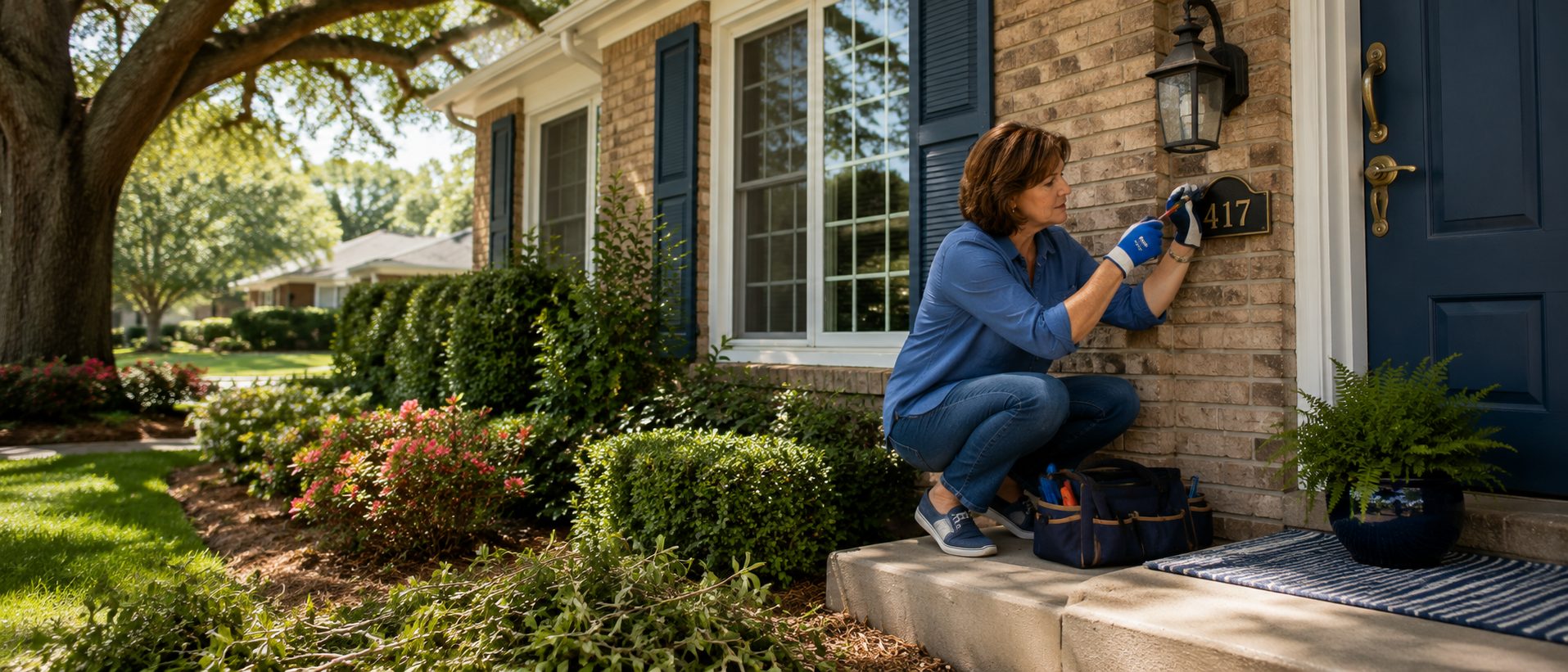
When homeowners start thinking about selling, it’s easy to jump straight to the big questions.
Should we replace the countertops?
Does the bathroom need updating?
Would new flooring help?
Those can be good questions. But before you start planning a renovation, I’d suggest doing something much simpler.
Walk through your house as though you don’t live there.
Buyers notice more than we sometimes give them credit for—and often, it isn’t the expensive stuff that shapes their first impression.
We Stop Seeing the Things We Live With
Every home has them.
The door you have to lift slightly before it closes.
The cabinet knob that turns in your hand.
The little spot on the baseboard you’ve intended to touch up for two years.
The shrub that grew just enough to cover part of the front window.
When you live with something every day, your brain eventually stops registering it.
A buyer’s doesn’t.
That doesn’t mean buyers expect perfection. Most don’t.
But they are trying to understand a home they’ve known for perhaps 30 minutes. When they don’t have years of experience with it, the little things become clues.
Small Details Tell a Bigger Story
Imagine walking through two similar homes. In one, the finishes are a little dated, but everything feels clean and cared for. Doors close properly. The air filters are clean. The landscaping is tidy. The grout and caulk are in good condition. The closets are orderly enough to see the space.
The second home may have a prettier kitchen, but there are several unfinished repairs, an overgrown exterior, a dripping faucet, and a few things that obviously haven’t been maintained.
Which one feels more reassuring? Often, it’s the first.
Buyers aren’t simply evaluating what a home looks like.
They’re also trying to determine how it has been lived in and cared for.
Start With Maintenance, Not Makeovers
Before spending money on cosmetic improvements, take care of the basics.
Walk around your home and look for things such as:
Loose handles, knobs, or hinges
Dripping faucets or running toilets
Damaged caulk or grout
Burned-out bulbs
Dirty or stained air vents
Doors or windows that don’t operate properly
Minor wall or trim damage
Overgrown shrubs or tired landscaping
Clutter that makes storage difficult to evaluate
Small exterior maintenance items you’ve been meaning to address
None of these is particularly exciting. And, that’s exactly the point.
Getting a home ready to sell isn’t always about creating a dramatic “after.” Sometimes it’s about removing the little distractions that keep buyers from seeing the home clearly.
Clean and Cared For Can Beat New and Trendy
I’ve seen homeowners worry because their kitchen isn’t the newest or their bathroom doesn’t look like something they just saw online. A home does not have to be trendy to be appealing.
In established neighborhoods around Fort Walton Beach and Shalimar, many homes have evolved over decades. They may have mature trees, generous lots, additions, renovated rooms, original features, or a combination of several eras.
That character can be part of their appeal.
The goal isn’t necessarily to erase it.
The goal is to make sure buyers see a home that has been respected and maintained.
Before getting a home ready to sell – before replacing something simply because it’s older – ask whether the money would be better spent repairing, cleaning, refreshing, or simply presenting what you already have well.
Don’t Forget What Happens Outside the Front Door
Buyers start forming impressions before they walk inside.
That doesn’t mean you need elaborate landscaping.
It means the approach to the home should feel cared for.
Take a look at:
The mailbox and house numbers
Walkways and driveway
Front door and hardware
Porch lights
Shrubs near windows and entrances
Mulch or planting beds
Gutters and visible rooflines
Fences and gates
In Northwest Florida, our mature trees and established landscaping can be wonderful assets. They just need to look intentional rather than neglected.
What You Don’t Need to Fix Matters, Too
This is where having a plan can save you money. Not every imperfection needs correcting before a home goes on the market. And not every renovation will come back to you in the sale.
Sometimes the smartest recommendation I can give a seller is:
Leave it alone.
I’d rather help you identify the improvements buyers are likely to value than watch you spend money simply because you think a house has to look brand-new to sell.
That’s one reason I like having these conversations early.
We can walk through the property together and separate things into three groups:
- Take care of it — maintenance or repairs that deserve attention
- Consider it — improvements that may help depending on cost and market
- Leave it alone — things a future buyer can choose for themselves
That makes preparing much more manageable. And usually much less expensive.
The Goal Isn’t Perfection
A buyer isn’t purchasing a photograph.
They’re purchasing a home.
They will have their own ideas, tastes, plans, and priorities.
Your job as a seller isn’t to anticipate every one of them. It’s to give buyers enough confidence in the home that they can begin imagining what comes next.
Clean.
Maintained.
Welcoming.
Well cared for.
Those qualities aren’t flashy, but they say a lot.
And if you’re wondering what buyers might notice in your Fort Walton Beach, Shalimar, or surrounding Northwest Florida home, I’m happy to walk through it with you.
Sometimes a fresh set of eyes can save you from doing too much just as easily as it can help you spot something you’ve stopped seeing.
